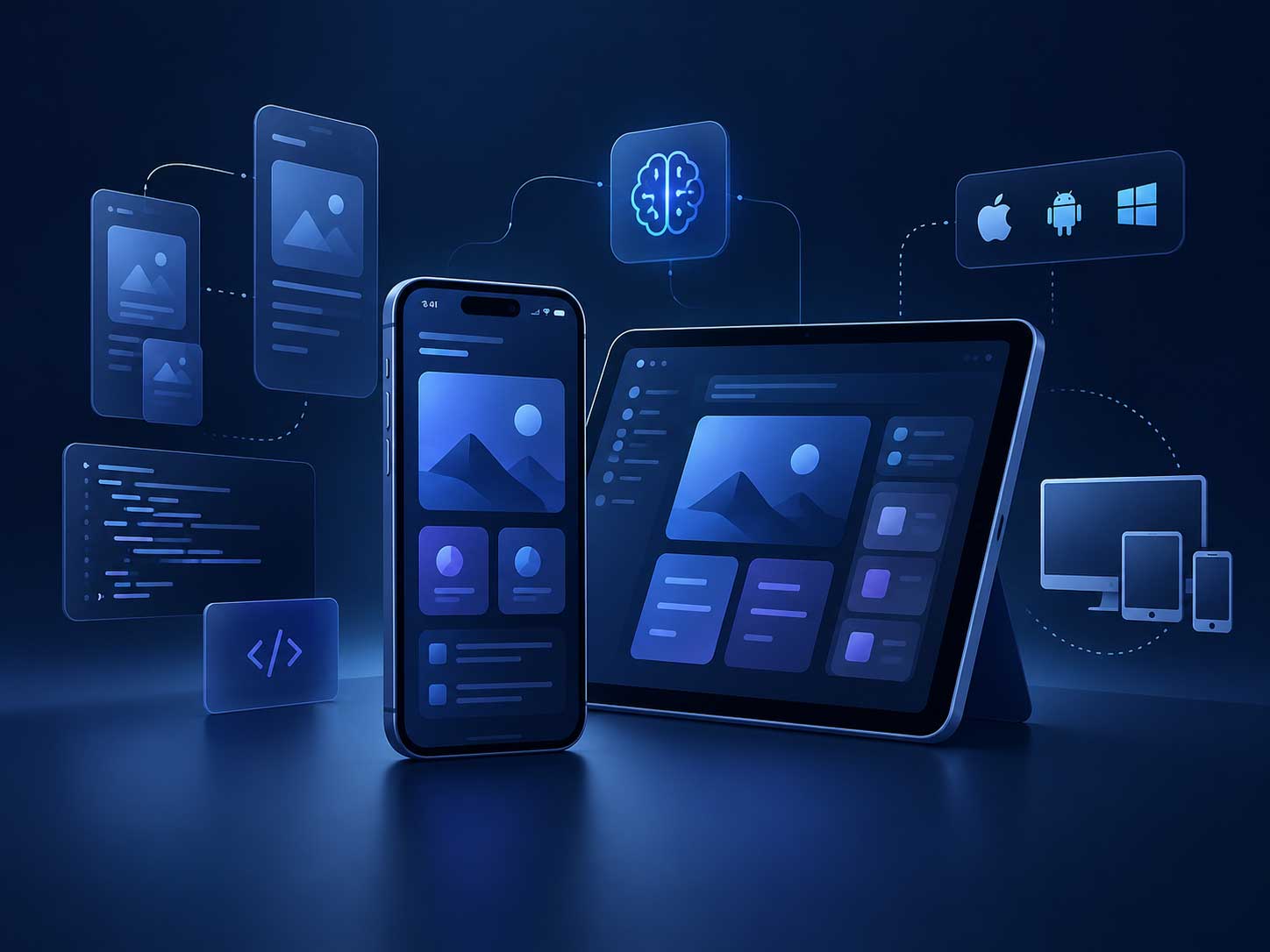



IT consultancy is changing as businesses demand more than technical recommendations and digital transformation roadmaps. In 2026, artificial intelligence, cybersecurity, cloud cost management and legacy system modernization are reshaping what clients expect from technology advisers. The focus is shifting toward practical implementation, measurable business outcomes and long-term technology partnerships. For consultancies, success increasingly depends on connecting technical decisions to real business value.
Artificial intelligence has become a major priority for businesses, but adopting new tools is only the beginning. Many organizations have tested generative AI, automated workflows or internal assistants. Their next challenge is integrating these technologies into everyday operations without introducing unnecessary complexity, security risks or costs.
McKinsey's Global Tech Agenda 2026 identifies AI as a leading investment priority, reflecting the growing importance of the technology in corporate strategies. However, investment alone does not guarantee returns. Businesses still need reliable data, clearly defined use cases, suitable infrastructure and employees who understand how to work with new systems.
This creates a more demanding role for IT consultants. Rather than simply recommending an AI platform, they must determine where automation can deliver tangible benefits, whether existing systems can support it and how its performance should be measured. A successful project might reduce administrative workload, accelerate customer support or improve access to internal knowledge. The result should be demonstrable rather than based on the number of AI tools deployed.
Governance is equally important. Companies need rules covering sensitive information, access permissions, human oversight and the reliability of AI-generated outputs. Consultants who combine technical implementation with risk management and workflow redesign will be better positioned to help clients move beyond isolated experiments.
Cybersecurity is no longer a concern that can be delegated entirely to an IT department. Digital operations now depend on interconnected cloud services, external software providers, remote access and increasingly autonomous AI tools. Each additional connection can introduce risks that affect business continuity, customer trust and regulatory obligations.
In August 2026, Boston Consulting Group reported that 83% of surveyed cybersecurity leaders were increasing their security spending, while organisations continued to face substantial challenges from emerging threats. The findings highlight a growing gap between investment and the ability to manage evolving risks.
For IT consultancies, this means security must be considered from the beginning of a project rather than added as a final checklist. Assessments of identity management, access controls, backups, data handling and third-party dependencies can reveal weaknesses before they become expensive incidents.
AI governance is becoming another essential part of this work. Businesses need to understand which tools employees are using, what information those tools can access and whether automated systems can take actions without human approval. Clear policies, monitoring and escalation procedures help reduce exposure while allowing employees to use technology productively.
The most valuable consultants will connect technical safeguards with business priorities. Instead of presenting a long list of vulnerabilities, they should explain which risks matter most, what remediation will cost and how improvements protect the organisation's ability to operate.
Cloud adoption promised flexibility, scalability and reduced infrastructure management. Yet moving workloads to the cloud does not automatically make an organisation more efficient. Poorly configured environments, duplicated services, unpredictable consumption and unnecessary software subscriptions can create significant ongoing expenses.
As technology budgets come under pressure, cloud cost management is becoming an important part of IT consultancy. Consultants can help businesses analyse usage, identify underutilised resources, compare service options and establish clearer accountability for technology spending. The objective is not simply to cut costs, but to ensure that spending supports actual business requirements.
Legacy modernization presents a related challenge. Many organisations continue to depend on older applications that are expensive to maintain but difficult to replace. A complete rebuild may be risky, disruptive and financially unjustifiable. In some cases, targeted upgrades, better integrations or gradual migration offer a more practical route.
The right strategy depends on the organisation's architecture, operational needs and tolerance for disruption. Effective consultants assess dependencies before recommending major changes, then develop a phased plan with measurable milestones. This helps businesses modernize without unnecessarily interrupting established operations.
The growing importance of AI adds another consideration: companies must evaluate whether their existing data and infrastructure can support new workloads efficiently. A carefully designed technology roadmap can prevent short-term AI projects from creating long-term architectural problems.
Traditional consulting engagements have often been structured around project hours, staffing levels and predefined deliverables. Those models remain useful in many situations, but clients are increasingly questioning whether the work produces meaningful results.
A September 2026 analysis of IT consulting trends identified stronger demand for defined deliverables, measurable outcomes and greater accountability. This reflects a broader change in buyer expectations: businesses want to understand what they are paying for and how success will be evaluated.
For consultancies, this requires a clearer connection between technical work and commercial objectives. Instead of measuring a project only by whether a system was deployed on schedule, both parties can agree on indicators such as reduced processing time, lower infrastructure costs, improved system availability or faster customer response.
AI is accelerating this shift by changing how quickly certain tasks can be completed. Clients reasonably expect efficiency gains to influence project planning and pricing. Consultants, in turn, must explain where automation reduces effort and where specialist judgment, testing or integration still requires substantial work.
Smaller, specialised teams may also have an advantage when they bring senior expertise directly into delivery and maintain a tightly defined scope. Large transformation programmes will continue to require extensive coordination, but not every business problem needs a large consulting team.
The strongest client relationships will be built on transparency, realistic expectations and a willingness to demonstrate value throughout the engagement rather than only at the final presentation.
The future of IT consultancy will be shaped less by the number of technologies a firm can recommend and more by its ability to help clients use them effectively. AI implementation, cybersecurity, cloud optimization and legacy modernization are interconnected challenges that require both technical expertise and an understanding of business operations.
For clients, choosing a consultant should involve more than comparing day rates or reviewing an impressive portfolio. Clear project boundaries, relevant experience, realistic timelines and agreed success metrics provide a stronger basis for evaluating proposals.
For consultancies, the opportunity lies in becoming accountable technology partners rather than occasional sources of advice. Firms that combine implementation skills, security awareness and commercial understanding can help businesses make better decisions in an increasingly complex technology environment.
In 2026, good IT consultancy is not about recommending the newest tool. It is about identifying the right problem, choosing a proportionate solution and proving that the investment made a meaningful difference.