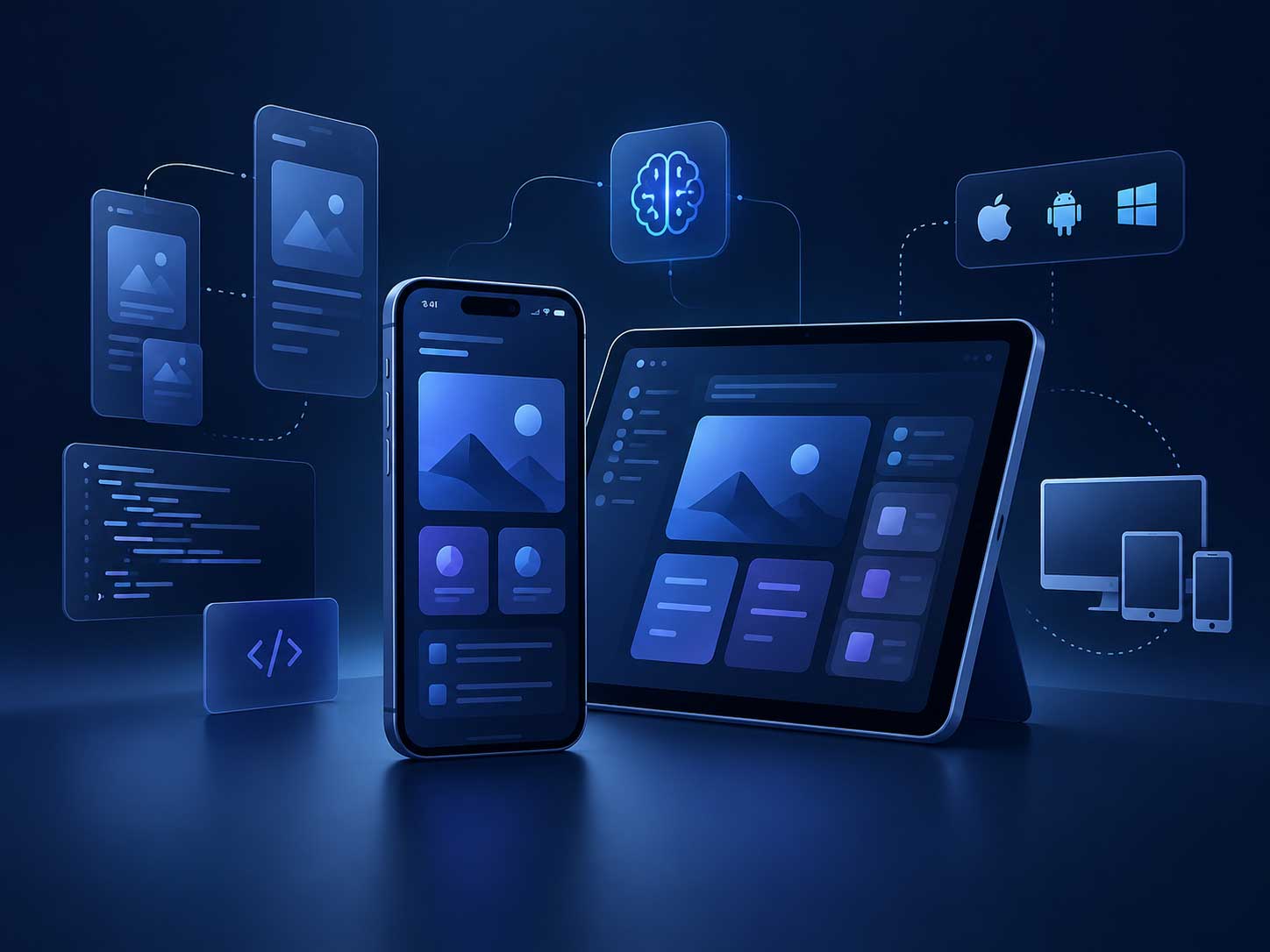



App development is entering a new phase where intelligence is no longer treated as an optional feature, but as part of the product itself. With major platforms expanding support for on-device AI and agent-ready app experiences, businesses now expect mobile and digital products to be faster, smarter, and more adaptive from day one. For development teams, that means building applications that combine strong performance, clean UX, and practical AI functionality in one seamless experience
App development is changing fast, and the biggest shift is not just visual polish or faster deployment. It is the move toward AI-native applications — products designed from the ground up to feel more responsive, more context-aware, and more useful in everyday interaction. Instead of treating artificial intelligence as a bolt-on feature, modern teams are building apps where intelligence is woven directly into the experience.
This change is being driven by both user expectations and platform evolution. People no longer want apps that simply display information or process requests in a fixed sequence. They expect software to anticipate intent, streamline actions, and reduce friction across the journey. At the same time, platform providers are expanding support for on-device AI, machine learning frameworks, and app integrations that make these smarter experiences more practical to build and scale.
For years, app development focused heavily on interface design, feature expansion, and backend performance. Those things still matter, obviously — because nobody wants a “smart” app that loads like a dying tractor. But now the competitive edge is shifting toward experiences that feel adaptive and efficient in real use.
AI-native apps can improve search, personalize content, simplify decision-making, and reduce the number of steps users need to complete a task. In many cases, intelligence is moving closer to the device itself rather than depending entirely on remote processing. That matters for speed, privacy, and reliability. It also opens the door to more natural interactions, where applications can respond to context and support actions in ways that feel far more fluid than traditional rule-based systems.
The direction of the market is becoming harder to ignore. Google’s Android developer ecosystem is actively expanding tools for AI-powered app experiences, including on-device generative capabilities and agent-related integrations. Apple is also continuing to position on-device machine learning and intelligent features as a core part of building modern apps across its ecosystem. In plain English: the platforms themselves are telling developers where this is going.
That shift has practical consequences for businesses. App development is no longer only about releasing a functional product with a nice interface. It is about building software that can evolve with user behavior, support more personalized interaction, and remain relevant as expectations continue to rise. Teams that ignore this shift may still launch usable apps, but they risk delivering products that already feel one step behind.
The next generation of successful apps will not win simply because they contain more features. They will win because they remove friction, respond intelligently, and create experiences that feel natural from the first interaction. That requires more than trendy language around AI. It requires disciplined product thinking, strong engineering, and a clear understanding of what intelligence should actually improve.
For businesses investing in app development, the opportunity is clear. The market is moving toward products that are not only functional and visually strong, but also context-aware, efficient, and ready for a more intelligent digital environment. In that sense, AI-native app development is not a side trend. It is quickly becoming the standard that modern digital products will be judged against.