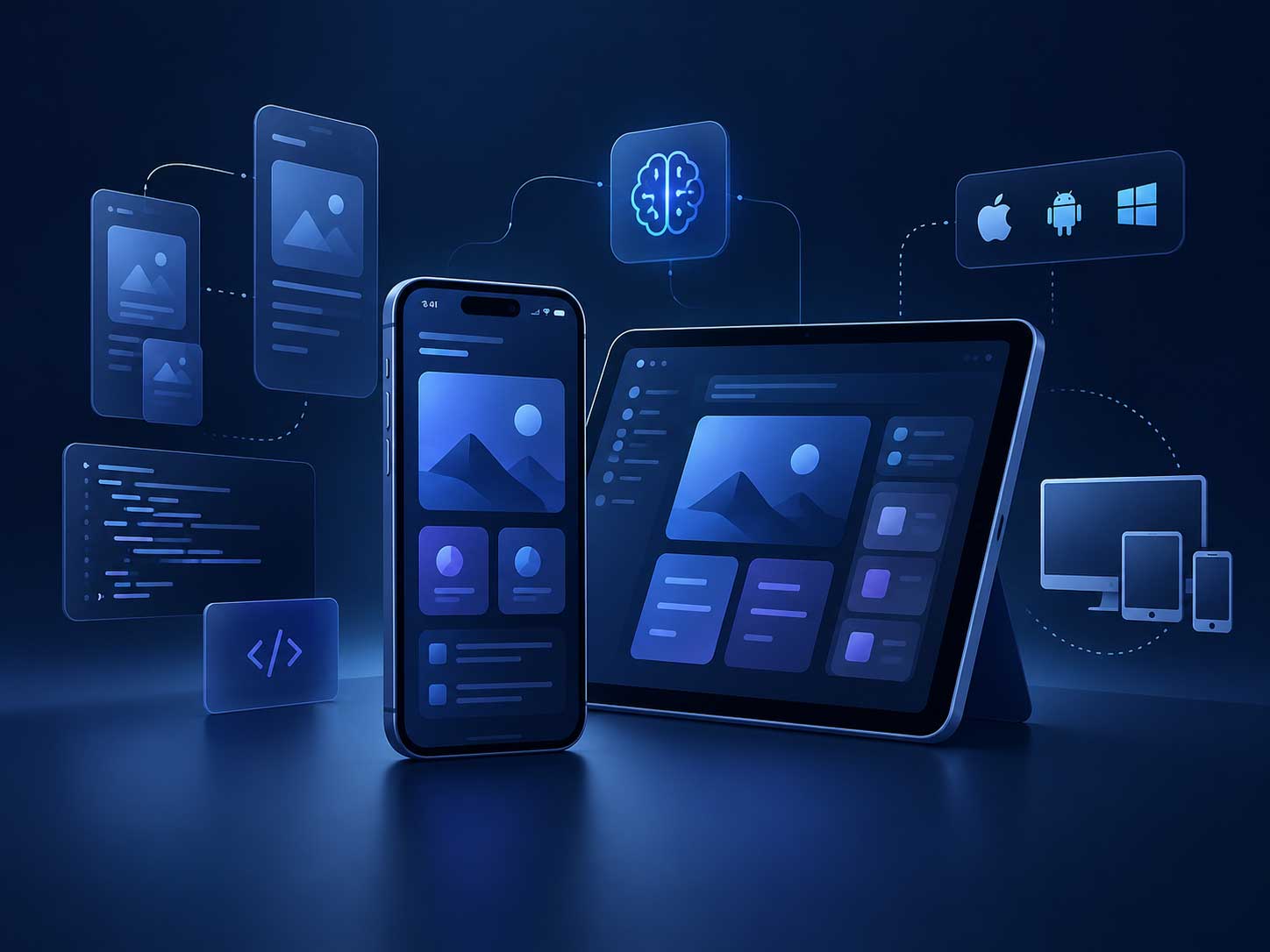


UI/UX design continues to evolve as businesses prioritize user-centered digital products. Current industry developments highlight growing emphasis on accessibility, AI-assisted design tools, micro-interactions, and data-driven personalization. Companies are increasingly investing in design systems to maintain consistency while accelerating product development cycles.
The field of UI/UX design is undergoing significant transformation as organizations recognize the strategic value of user experience in digital products and services. Industry analysts note that user-centered design is no longer a competitive advantage but a fundamental expectation across web platforms, mobile applications, and enterprise software.
One of the most prominent shifts in the design landscape is the integration of artificial intelligence into the creative workflow. AI-powered tools are now assisting designers with layout generation, usability testing simulations, and automated design variations. While human expertise remains central to strategic decision-making, these technologies are streamlining production processes and enabling faster iteration cycles.
Accessibility has also emerged as a defining priority. Regulatory standards and heightened awareness of inclusive design principles are prompting companies to implement improved contrast ratios, keyboard navigation support, screen reader compatibility, and adaptable interface components. Businesses are increasingly viewing accessibility not only as compliance, but as a means to expand audience reach and improve overall usability.
Another key development is the rise of design systems and component libraries. Organizations are building structured frameworks that ensure visual consistency across digital products while reducing duplication of effort. These systems allow teams to maintain brand identity, improve collaboration between designers and developers, and accelerate deployment timelines.
Micro-interactions and subtle animations continue to influence interface design, enhancing user engagement without overwhelming the experience. Carefully implemented motion design elements guide user attention, provide feedback, and create a sense of responsiveness that improves perceived performance.
Data-driven personalization is also gaining traction. UX teams are leveraging behavioral analytics to refine user journeys, optimize navigation paths, and tailor content presentation. By aligning interface decisions with measurable user behavior, companies aim to increase retention and conversion rates.
Experts anticipate that UI/UX design will remain central to digital transformation initiatives as competition intensifies across industries. Organizations that invest in structured, research-backed design processes are expected to achieve stronger user satisfaction and long-term digital growth.